University of California Press

About the Book

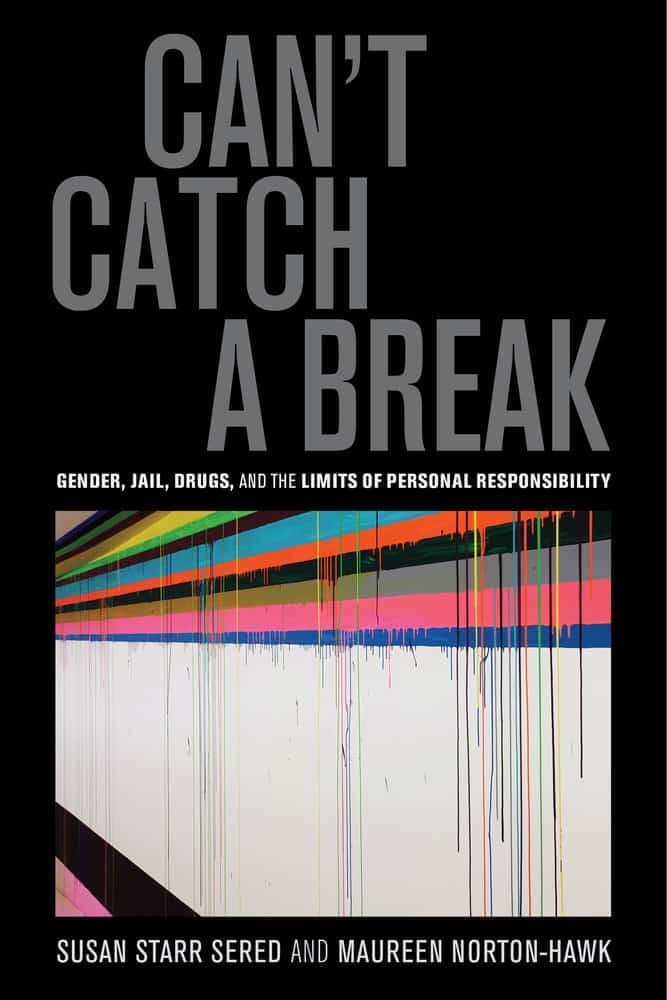
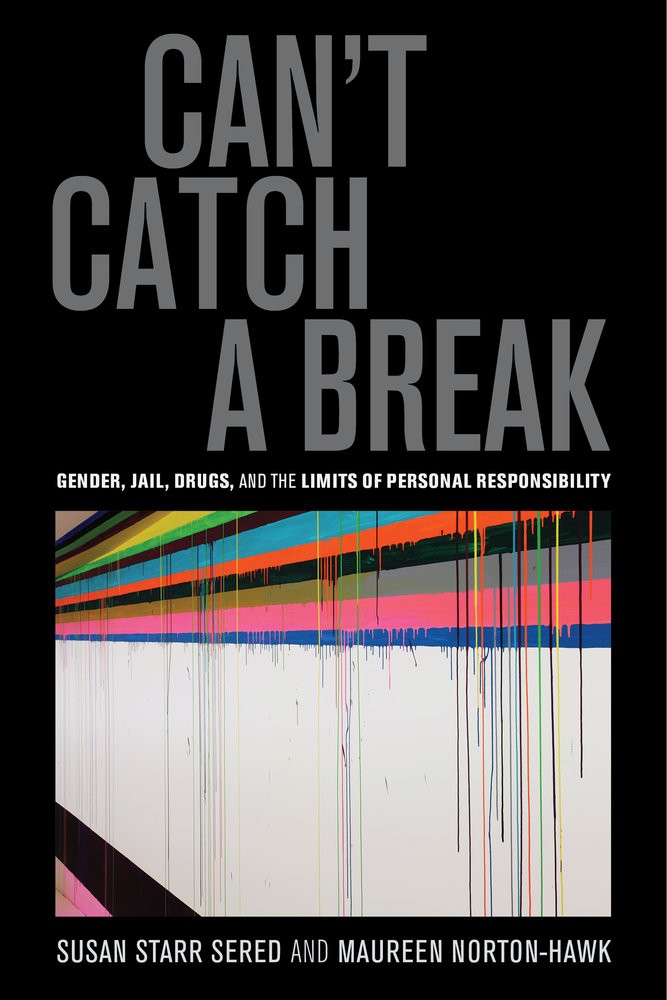
Based on five years of fieldwork in Boston, Can’t Catch a Break documents the day-to-day lives of forty women as they struggle to survive sexual abuse, violent communities, ineffective social and therapeutic programs, discriminatory local and federal policies, criminalization, incarceration, and a broad cultural consensus that views suffering as a consequence of personal flaws and bad choices. Combining hard-hitting policy analysis with an intimate account of how marginalized women navigate an unforgiving world, Susan Sered and Maureen Norton-Hawk shine new light on the deep and complex connections between suffering and social inequality.

As an additional teaching tool, instructors can find updates about the women in Can't Catch a Break on Susan's blog at http://susan.sered.name/blog/category/cant-catch-a-break/.

About the Author

Susan Starr Sered is Professor of Sociology and Senior Researcher at the Center for Women's Health and Human Rights at Suffolk University in Boston. She is the author of Uninsured in America: Life and Death in the Land of Opportunity. Read more about the women in Can't Catch a Break and Susan's research on her blog at http://susan.sered.name/blog/.

Maureen Norton-Hawk is Professor of Sociology and Codirector of the Center for Crime and Justice Policy Research at Suffolk University in Boston. She has published widely in the field of women and prostitution.

From Our Blog

Eulogy for Tina Marie

By Susan Sered, author of Can’t Catch a Break: Gender, Jail, Drugs, and the Limits of Personal ResponsibilityThe following blog is reposted from the author’s ongoing blog about updates from the women of Can’t Catch a Break. These blog posts offer readers and instructors a teaching tool to use wi
Read More

“I Don’t Forget Where I Came From”: Remembering Mikki

By Susan Sered, author of Can’t Catch a Break: Gender, Jail, Drugs, and the Limits of Personal ResponsibilityThe following blog is reposted from the author’s ongoing blog about updates from the women of Can’t Catch a Break. These blog posts offer readers and instructors a teaching tool to use wi
Read More

The Women from Can’t Catch a Break: Eulogy for Laureen

By Susan Sered, author of Can't Catch a Break: Gender, Jail, Drugs, and the Limits of Personal ResponsibilityThe following blog is reposted from the author's ongoing blog about updates from the women of Can't Catch a Break. These blog posts offer readers and instructors a teaching tool to use wi
Read More

Table of Contents

List of Illustrations
List of Tables
Acknowledgments
Introduction
1. “Joey Spit on Me”: How Gender Inequality and Sexual Violence Make Women Sick
2. “Nowhere to Go”: Poverty, Homelessness, and the Limits of Personal Responsibility
3. “The Little Rock of the North”: Race, Gender, Class, and the Consequences of Mass Incarceration
4. Suffer the Women: Pain and Perfection in a Medicalized World
5. “It’s All in My Head”: Suffering, PTSD, and the Triumph of the Therapeutic
6. Higher Powers: The Unholy Alliance of Religion, Self-Help Ideology, and the State
7. “Suffer the Children”: Fostering the Caste of the Ill and Afflicted
8. Gender, Drugs, and Jail: “A System Designed for Us to Fail”
Conclusion: The Real Questions and a Blueprint for Moving Forward
Appendix: Methodology and Project Participant Overview
Notes
References
Index

Reviews

"This compelling and important book deserves to be widely read."
Publishers Weekly
"This book is more than a local social study. It is an advice for academic researchers to never forget the gap between theory and practice."
Sexuality & Culture
"Compelling . . . engaging . . . a thorough yet concise testament to the social inequalities that drive mass incarceration."
Criminal Law and Criminal Justice Books
"The authors convincingly show that the fragmented way we attempt to help poor criminalized women is not working."
Criminal Justice Review
"By the time you’ve finished the book, plaguing questions about how ‘America deals with human suffering’ unsettles you to the point you’re almost forced in to action."
Affilia
"An impressive ethnographic study . . . A valuable addition.
American Journal of Sociology
"In the hands of Sered and Norton-Hawk, the politics of personal story insist that the reader consider the woman storyteller as real and whole, a person who must be heard. The authors give her space and allow her a history so that her story is round and complicated—not salaciously sensationalized. Can't Catch a Break is an activist demand for the full personhood of the Boston women and their human rights."
Women's Review of Books
" This book makes a significant contribution to our understanding of the women who cycle through homeless shelters and jails. . . these authors open the way for better strategies that do not blame the victim."
PsycCRITIQUES
"A refreshingly authentic book that does not fall into the academic trap of constructing this community of women as mad, bad, victims or villains. The participants themselves—as well as the complex array of institutional actors, practices and discourses (and the researchers!)—are portrayed in their multifaceted complexity, from which a searing critique of the “American Dream” and cultural practices of individual responsibility and choice is levied."

Punishment & Society
"Can’t Catch a Break is an engaging read and serves as a good primer for those interested in how policies and institutions maintain gender inequality."
Journal of Sociology & Social Welfare
"An important book for both scholars and students . . . it provides informative statistics along with eye­opening examples of what life is really like for those struggling within and against powerful government and social institutions."
The Social Science Journal
"In Can’t Catch a Break Sered and Norton-Hawk offer the reader a vital glimpse into the chaotic, desperate, and depressing lives of the women that have been criminalized by our ill advised war on drugs. The number of women in prison, a third of whom are incarcerated for drug offenses, has increased eightfold since the eighties. Only rarely do those outside of the various systems that police the poor, get to see beyond the numbers appreciate the blending of health problems, homelessness, poverty and drug addiction that afflicts the lives women we spend billions to jail and imprison. The vivid portraits the authors paint are compelling, making us all ask, as the authors do, “have prisons become the way that America deals with suffering?  A must read."
—Meda Chesney-Lind, Ph.D.,Professor and Chair of Women’s Studies, University of Hawaii at Manoa
Awards

  • Honorable Mention, 2015 Betty & Alfred McClung Lee Book Award, Association for Humanist Sociology
  • 2016 WSSA Distinguished Book Award, Western Social Science Association