University of California Press

About the Book

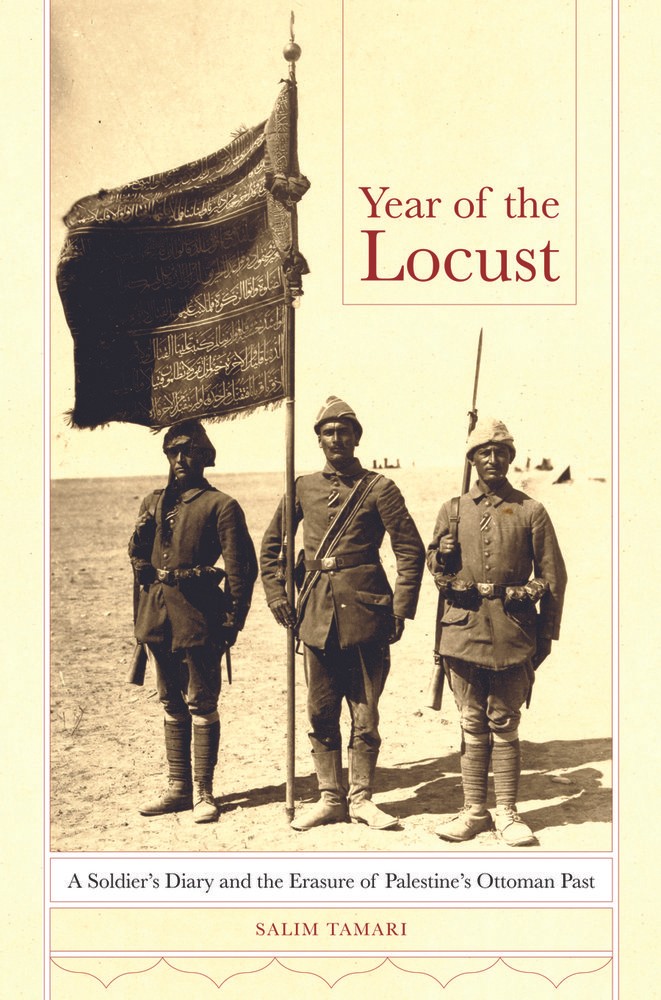
Year of the Locust captures in page-turning detail the end of the Ottoman world and a pivotal moment in Palestinian history. In the diaries of Ihsan Hasan al-Turjman (1893–1917), the first ordinary recruit to describe World War I from the Arab side, we follow the misadventures of an Ottoman soldier stationed in Jerusalem. There he occupied himself by dreaming about his future and using family connections to avoid being sent to the Suez. His diaries draw a unique picture of daily life in the besieged city, bringing into sharp focus its communitarian alleys and obliterated neighborhoods, the ongoing political debates, and, most vividly, the voices from its streets—soldiers, peddlers, prostitutes, and vagabonds. Salim Tamari’s indispensable introduction places the diary in its local, regional, and imperial contexts while deftly revising conventional wisdom on the disintegration of the Ottoman Empire.

About the Author

Salim Tamari is Professor of Sociology at Birzeit University, Palestine, the Director of the Institute of Jerusalem Studies, and the author of Mountain Against the Sea (UC Press).

From Our Blog

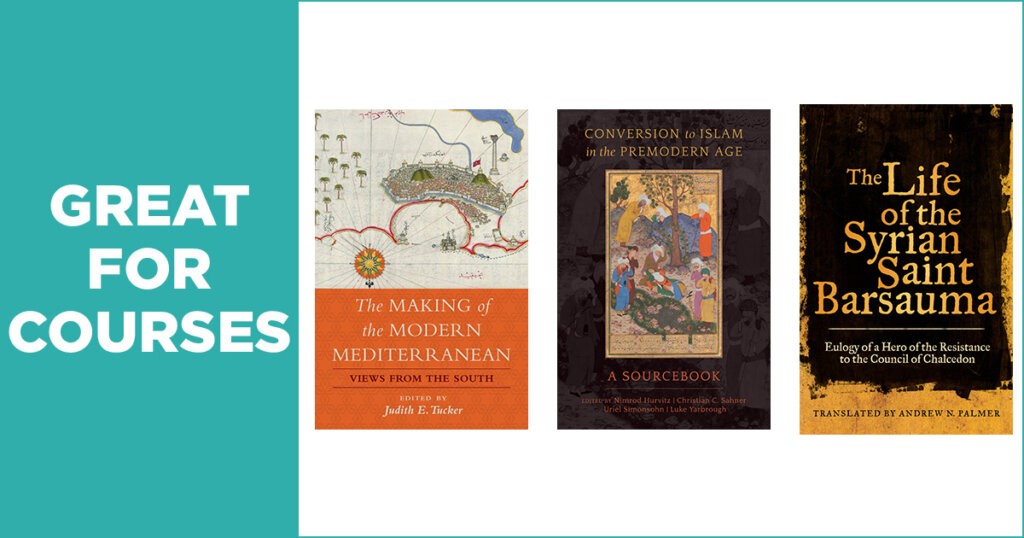
#MESA2020: Browse Titles for Courses

Explore our groundbreaking books that facilitate teaching across disciplines. To request an exam copy, click on “Request an Exam or Desk Copy” on the book page, and this will take you to our distributor's site where you can order your copy.Embodying GeopoliticsGenerations of Women’s Acti
Read More

Table of Contents

List of Figures
Acknowledgments

1. The Erasure of Ottoman Palestine
2. The Diary of Ihsan Turjman

Notes
Index

Reviews

“A must-read for both researchers and the general reading public. Both the familiar reader and the new visitor to the subject can learn a lot about a crucial period in the modern history of Palestine.”
This Week In Palestine
“Tamari’s reproduction of the diary in English, the extensive context that he provides, and his analysis . . . comprise a major contribution to the field of social and cultural history of twentieth-century Palestine.”
Arab Studies Journal
“This book is an impressively thoughtful, layered, and well-documented study of key aspects of a pivotal moment in the evolution of modern Palestinian society. . . . A precise and well-done history.”
Middle East Journal
“The value and significance of the volume to scholars and students of the late Ottoman period and early Palestinian national history is without question. . . . The writing is compelling and engaging, thanks to Tamari’s artful, smooth translation. . . . Reading Turjman’s diary brings . . . real pleasure.”
Jrnl Of Palestine Studies
"An unparalleled window into everyday life in [Jerusalem during the First World War]."
Hurriyet Daily News
“This remarkable book provides us with unfiltered access to a long-gone world in the form of the World War I diary of a young Palestinian soldier from Jerusalem. Salim Tamari's introduction masterfully examines the revelations provided by this and other wartime diaries. This rich portrait of the massive changes that transformed Palestine during the war, the first of many during the 20th century, will be a revelation to most readers.”

—Rashid Khalidi, author of Sowing Crisis: The Cold War and American Dominance in the Middle East


“Both a gripping personal account of three little known years in Palestinian history and a rich reconstruction of the enormous social changes taking place in Jerusalem during World War I.”

—Roger Owen, author of State and Power and Politics in the Middle East


“Nothing underscores the Ottoman Empire’s bifurcated and contradictory position as both empire and target of European colonialism as eloquently as the Arab soldiers’ diaries ably discussed by Salim Tamari, who presents one such diary in detail. Spanning a broad spectrum of issues, from war horrors to national awakening, from regional politics to gender relations, this first-hand account of World War I by a young enlisted Palestinian is an important contribution to the ongoing Arab reassessment of the Ottoman past.”

—Irvin Cemil Schick, Istanbul Sehir University


“Tamari’s remarkable sleuthing makes available, for the first time, the private writings of Ihsan Hasan Turjman, a common soldier in the Ottoman army and an astute observer of the multifaceted changes triggered by the war. Lucid, rich, and deeply insightful, Year of the Locust not only illuminates the fluid nature of personal and collective identity in this critical period of Palestine’s history, but also resonates widely with people’s experiences in other regions within the Ottoman Empire.”

—Sibel Zandi-Sayek, author of Ottoman Izmir: The Rise of a Cosmopolitan Port, 1840-1880