University of California Press

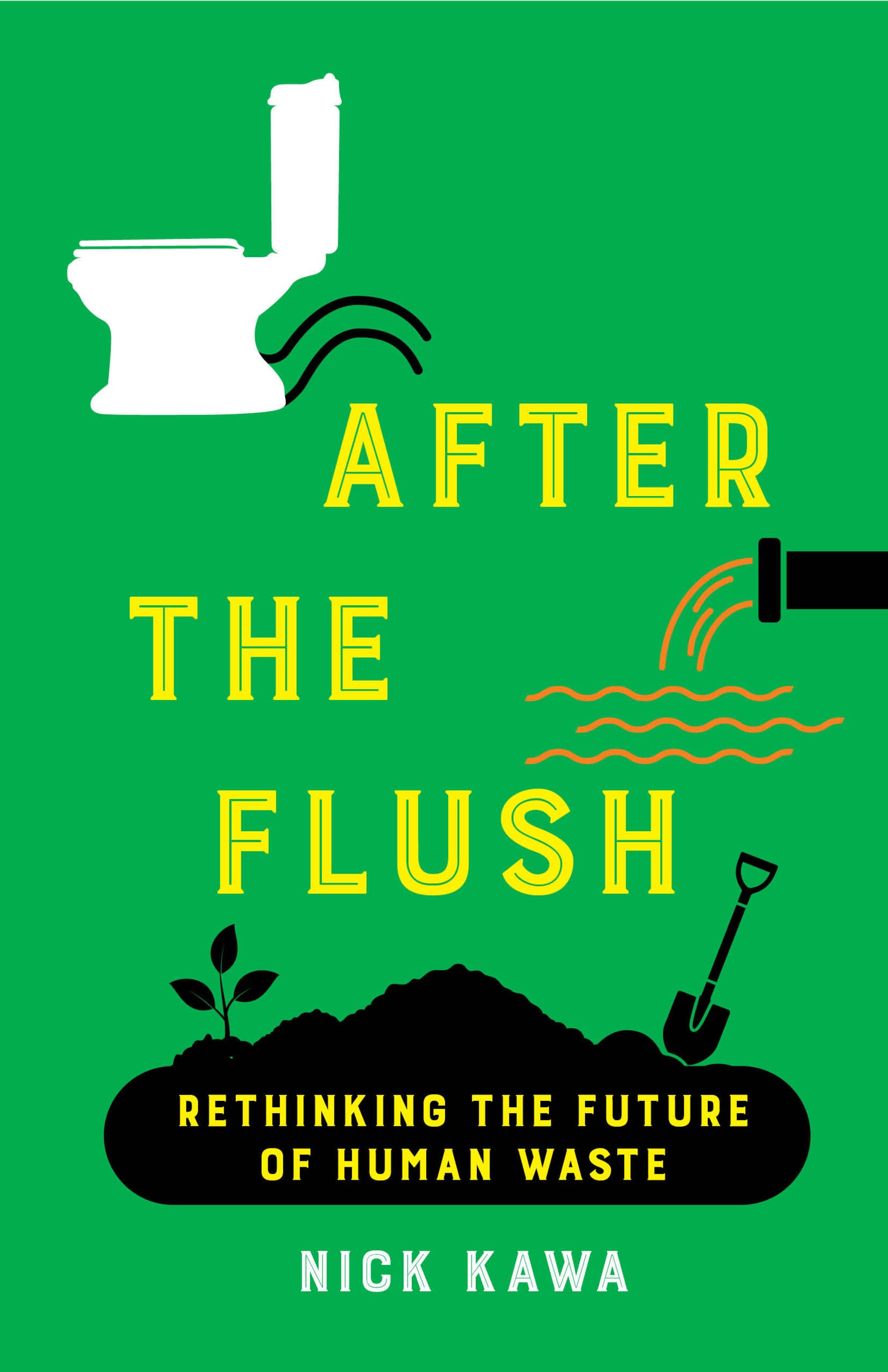
About the Book

Looking beyond current sanitation models in the US to develop new ways of managing human waste as a resource.

What happens when you flush the toilet? Where does the waste go?

In this engagingly written ethnographic study, Nick Kawa follows the trail of human bodily excrement as it travels through multiple sites in the American Midwest. In addition to documenting the treatment and transformation of sanitation waste, this book chronicles the growing movement to promote sewage sludge, or biosolids, for fertilizing industrial farm fields, urban gardens, city parks, and ecological restoration sitesa complex endeavor that has fueled debates about potential harms to human and environmental health.

After the Flush presents the modern sanitation system through the eyes of insider experts, sharing insights from wastewater treatment operators and environmental scientists but also activists who advocate for alternative models to the industrial system. These include low-cost forms of ecological sanitation, illustrated through the author's own experiments with a compost toilet. Reframing human bodily waste as simply part of the human biome, this book offers radical possibilities for managing the human relationship to self, body, community, and ecology.

About the Author

Nick Kawa is Associate Professor of Anthropology at The Ohio State University. He is author of Amazonia in the Anthropocene: People, Soils, Plants, Forests.

Table of Contents

Contents

Part One. The System
1. Flush and Forget: The Emergence of the Modern Sanitation System
2. Bacteria Farming: The Hidden Workers and Lives Behind Wastewater's Transformation

Part Two. The Problems
3. The Smells: Or, How a Manure Lagoon and Its Unwieldy Excesses Overwhelmed a Rural Community in Northern Ohio
4. The Stigmas and Taboos: Or, The Problems of Social Exclusion and the Ironic Integration of Biosolids into Privileged Landscapes of Chicago
5. The Pollutants: Or, Why All the Shit That Gets into the Shit Makes Biosolids a Challenge to Manage

Part Three. The Alternatives
6. Making Humanure at Home
7. Container-Based Sanitation: An Alternative System for Times of Crisis
8. Working Toward Defecatory Justice (with Sarah Nahar)

Conclusion: The End Is Only the Beginning

Acknowledgments
Appendix: Methods and Tactics
Notes
Bibliography
Index

Reviews

"By offering an ethnographic dive into the particularities of human waste after it leaves our toilets and is forgotten, After the Flush challenges us to see that the way out of the messes we have made might be to dive deeper into them and to accept some amount of imperfection."Kathleen Millar, author of Reclaiming the Discarded: Life and Labor on Rio's Garbage Dump

"Kawa proves a wise and witty guide on a journey like no other, through the porcelain bowl and far beyond. Readers will indeed find release here: from the pathologies of our waste culture, into promising new forms of collective living and leaving."Anand Pandian, author of Something Between Us: The Everyday Walls of American Life, and How to Take Them Down

"This profound ethnographic study of repulsion takes us well beyond disgust, revealingand creatively refusingthe ways modern excrement rebuffs attention, comprehension, and even thought itself."Alex Blanchette, author of Porkopolis: American Animality, Standardized Life, and the Factory Farm

"Nick Kawa takes readers on an excretory adventure. He 'follows the object,' albeit an object that most other anthropologists have shied away from: human waste. There's nothing else like it!"Matthew Wolf-Meyer, author of American Disgust: Racism, Microbial Medicine, and the Colony Within

"You gotta hand it to Nick Kawa. How many people can write an entire book 'about shithuman shit.' Not only has Kawa created a rigorous academic work that forces the reader to dive deeply into human excrement, but his excellent discourse at times is nothing short of poetic. This is not an easy row to hoe, considering that the book covers global sanitation, ecosan, biosolids, industrial pollution, compost toilets, microbes, race, politics, hope, frustration, injustice, and justice. And a lot of other things in between. I found the book a pleasure to read, and I applaud any academic who has the courage, like Kawa, to think outside the box, tackling a difficult, nay taboo, topic with intelligence and grace."Joseph Jenkins, author of The Humanure Handbook and The Compost Toilet Handbook