
About the Book
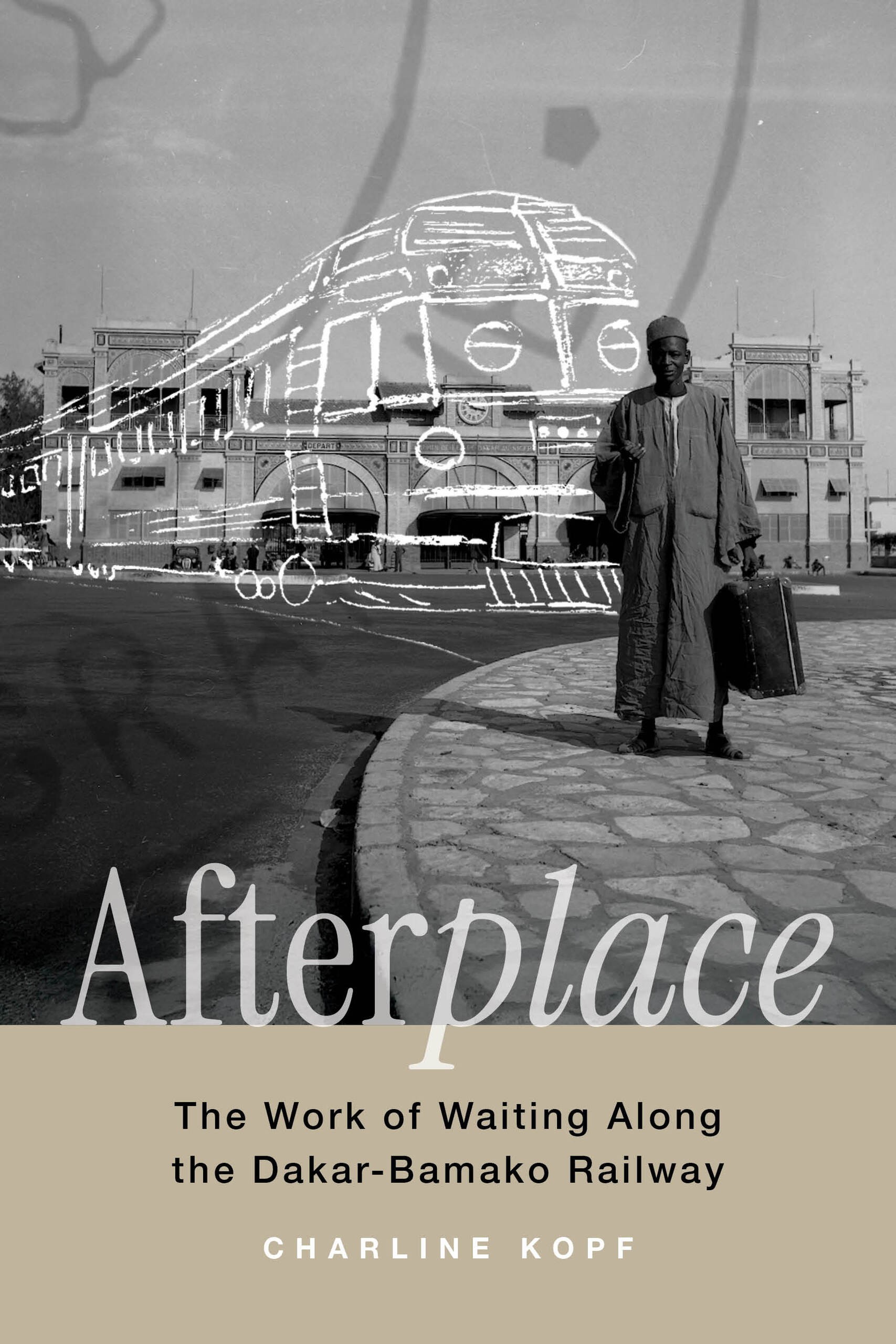
In this exquisitely crafted ethnography, Charline Kopf examines how and why railway workers in Senegal and Mali care for a suspended railway. Trains rarely run, yet men continue to sweep floors, repair wagons, and gather in stations, everyday practices that keep the railway alive as a social and political space. The railway has become an afterplace—a worksite in a post-labor context where infrastructure, no longer fully functional, still organizes memory, politics, and collective life. Generations meet here with different temporal horizons: older workers recall futures once promised through stable employment and national ambition, while younger and often precariously employed men confront futures never secured. These tensions raise urgent questions about what remains when work recedes along with the possibilities it once carried. Tracing connections and fractures across Senegal and Mali, the book offers a new lens on the afterlives of transnational infrastructure in Africa and beyond.