
About the Book
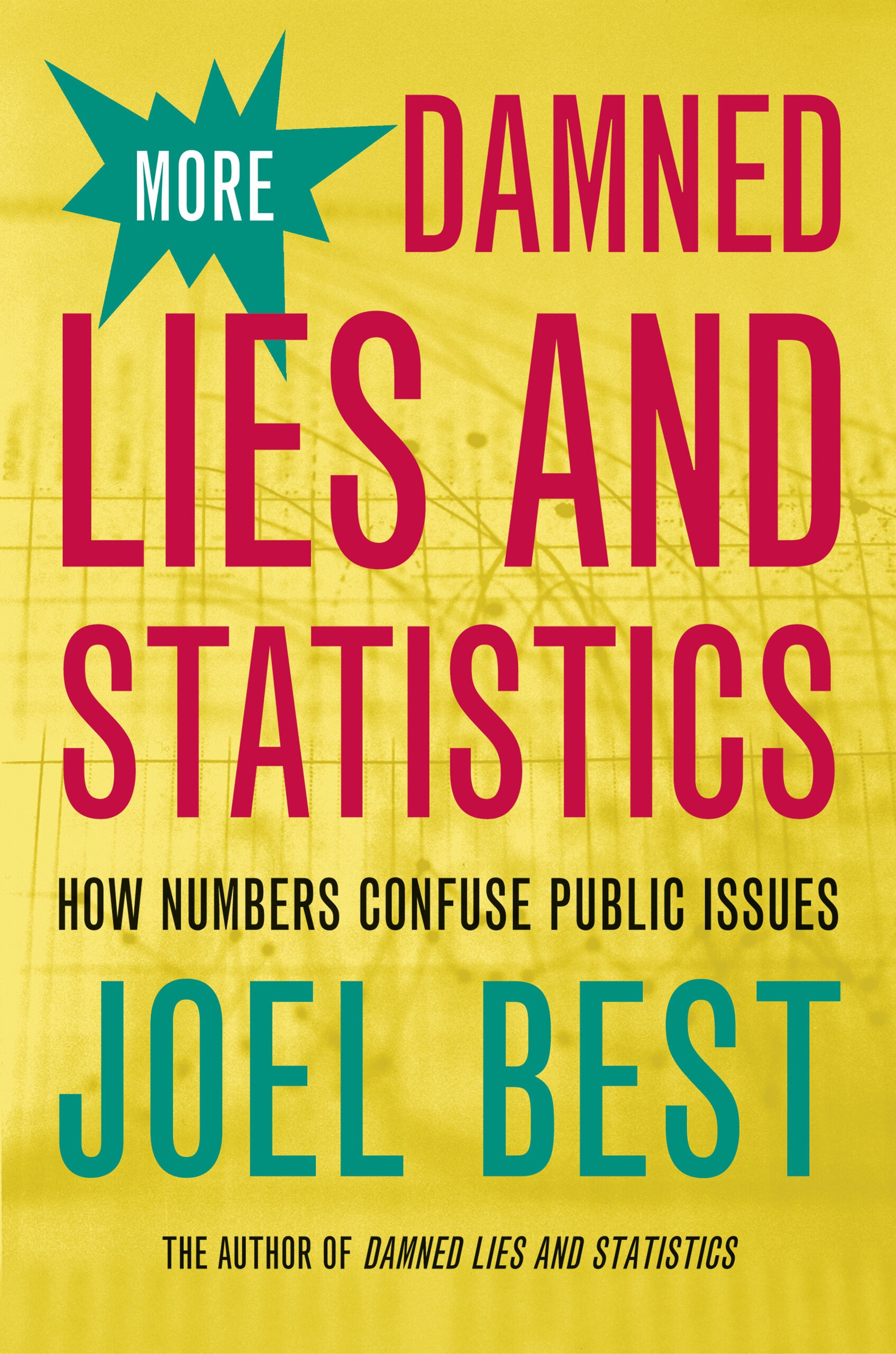
In this sequel to the acclaimed Damned Lies and Statistics, which the Boston Globe said "deserves a place next to the dictionary on every school, media, and home-office desk," Joel Best continues his straightforward, lively, and humorous account of how statistics are produced, used, and misused by everyone from researchers to journalists. Underlining the importance of critical thinking in all matters numerical, Best illustrates his points with examples of good and bad statistics about such contemporary concerns as school shootings, fatal hospital errors, bullying, teen suicides, deaths at the World Trade Center, college ratings, the risks of divorce, racial profiling, and fatalities caused by falling coconuts. More Damned Lies and Statistics encourages all of us to think in a more sophisticated and skeptical manner about how statistics are used to promote causes, create fear, and advance particular points of view.
Best identifies different sorts of numbers that shape how we think about public issues: missing numbers are relevant but overlooked; confusing numbers bewilder when they should inform; scary numbers play to our fears about the present and the future; authoritative numbers demand respect they don’t deserve; magical numbers promise unrealistic, simple solutions to complex problems; and contentious numbers become the focus of data duels and stat wars. The author's use of pertinent, socially important examples documents the life-altering consequences of understanding or misunderstanding statistical information. He demystifies statistical measures by explaining in straightforward prose how decisions are made about what to count and what not to count, what assumptions get made, and which figures are brought to our attention.
Best identifies different sorts of numbers that shape how we think about public issues. Entertaining, enlightening, and very timely, this book offers a basis for critical thinking about the numbers we encounter and a reminder that when it comes to the news, people count—in more ways than one.
Best identifies different sorts of numbers that shape how we think about public issues: missing numbers are relevant but overlooked; confusing numbers bewilder when they should inform; scary numbers play to our fears about the present and the future; authoritative numbers demand respect they don’t deserve; magical numbers promise unrealistic, simple solutions to complex problems; and contentious numbers become the focus of data duels and stat wars. The author's use of pertinent, socially important examples documents the life-altering consequences of understanding or misunderstanding statistical information. He demystifies statistical measures by explaining in straightforward prose how decisions are made about what to count and what not to count, what assumptions get made, and which figures are brought to our attention.
Best identifies different sorts of numbers that shape how we think about public issues. Entertaining, enlightening, and very timely, this book offers a basis for critical thinking about the numbers we encounter and a reminder that when it comes to the news, people count—in more ways than one.