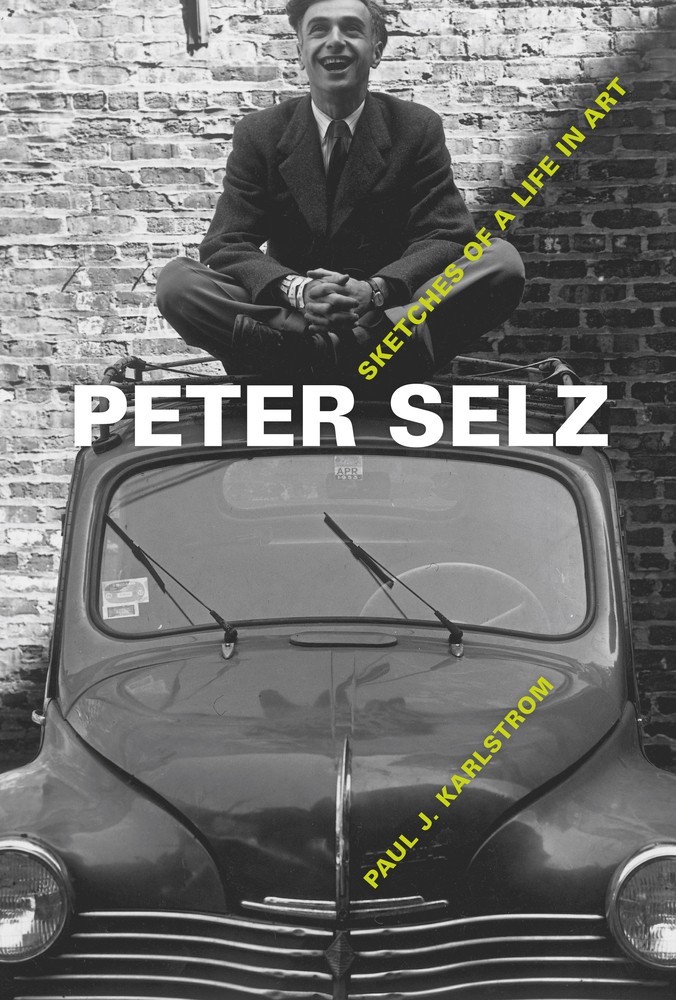
“[Peter Selz] is a readable account packed with information about the workings of art museums on both coasts, but in a larger sense, it is an intellectual bildungsroman recounting a life in art that never stopped evolving.”
— Artillery
“What makes this book an essential read for anyone seriously involved in the field are the conflicts, wrangles, and difficulties encountered by someone who is not merely an operative within the field, but a person who holds substantial and passionate views regarding the conflict between significant art and the vapid, trendsetting enterprise that surrounds it on all sides.”
— Whitehot Magazine
"A captivating story. . . . offers not only a study into the life of a renowned art figure but also an analysis of the art world of the twentieth century as a whole."
— Oral History Review
“A fascinating account of an individual who has made many contributions to art history and who has advocated on behalf of critical, often controversial or unrecognized artists here and abroad.”
— Washington Independent Review Of Books
“Peter Selz's experience and energy in the art world have led to important and challenging museum shows, and his work with Jeanne-Claude and me helped realize the Running Fence in 1976. I am happy his story is being told in this book.”
—Christo
“The extraordinary career of one of the most energetic and, above all, creative figures in twentieth century art history is deftly described in this essential book.”—Dore Ashton, author of A Fable of Modern Art
“In Sketches of a Life in Art, it's clear that Peter Selz uniquely sees painting as if from within the artist himself, not as an outside observer (as when he describes the ‘internal look’ of a Mark Rothko painting). And a moving Life it is.”—Lawrence Ferlinghetti, Poet Laureate of San Francisco and author of How to Paint Sunlight
“Engaging and delightful, this book offers its readers a succession of alternative histories of modern and contemporary art, ranging from George Grosz to William Kentridge, looping back to bring in Robert Rauschenberg and Sam Francis, among many others. All reimagined in Peter Selz's ambitious curatorial imagination to delve into the moment and discover. . .classical tradition. Perhaps only Paul Karlstrom, with forty years behind him using oral history to recover the hidden stories of twentieth-century art, could have followed the mirrors and mazes of Peter Selz's career and told a story both clear and amazing. Readers will share the delight that Karlstrom discovers in his subject.”—Richard Candida Smith, author of The Modern Moves West: California Artists and Democratic Culture in the Twentieth Century