University of California Press

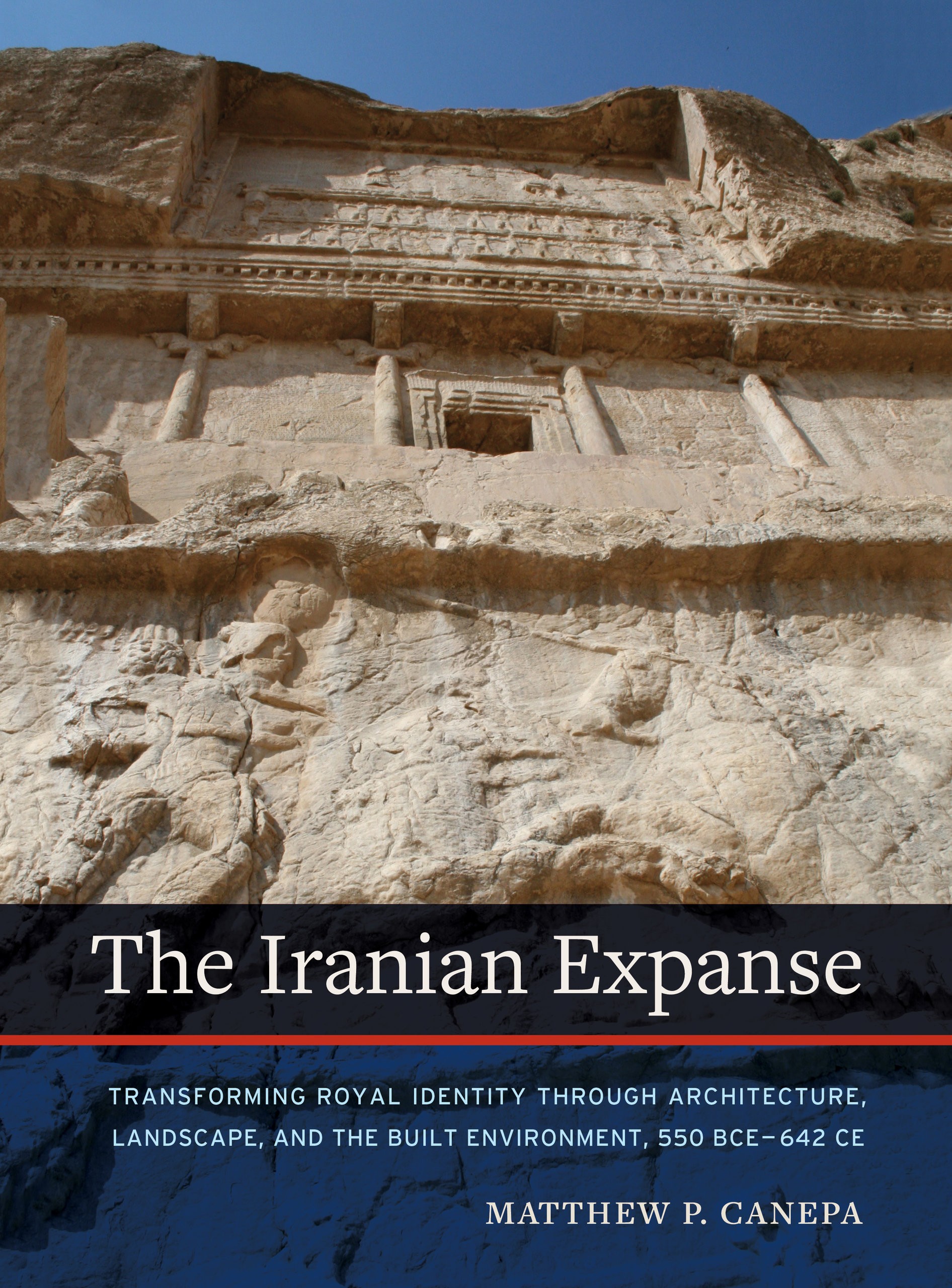
The Iranian Expanse

Transforming Royal Identity through Architecture, Landscape, and the Built Environment, 550 BCE–642 CE

by Matthew P. Canepa (Author)
Price: $95.00 / £80.00
Publication Date: Jun 2018
Edition: 1st Edition
Title Details:
Rights: World
Pages: 512
ISBN: 9780520290037
Trim Size: 8.5 x 11
Illustrations: 170 b/w images, 5 b/w maps
Endowments:

About the Book

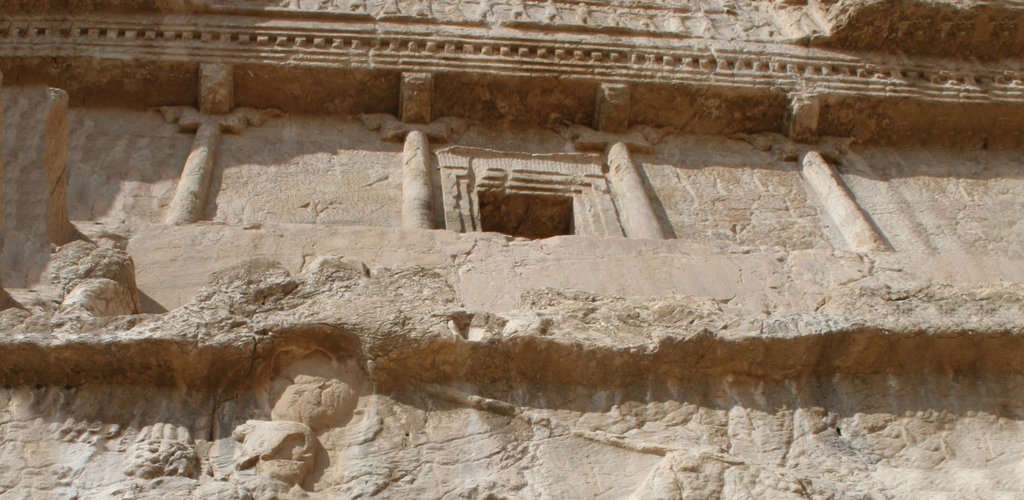
The Iranian Expanse explores how kings in Persia and the ancient Iranian world utilized the built and natural environment to form and contest Iranian cultural memory, royal identity, and sacred cosmologies. Investigating over a thousand years of history, from the Achaemenid period to the arrival of Islam, The Iranian Expanse argues that Iranian identities were built and shaped not by royal discourse alone, but by strategic changes to Western Asia’s cities, sanctuaries, palaces, and landscapes. The Iranian Expanse critically examines the construction of a new Iranian royal identity and empire, which subsumed and subordinated all previous traditions, including those of Mesopotamia, Egypt, and Anatolia. It then delves into the startling innovations that emerged after Alexander under the Seleucids, Arsacids, Kushans, Sasanians, and the Perso-Macedonian dynasties of Anatolia and the Caucasus, a previously understudied and misunderstood period. Matthew P. Canepa elucidates the many ruptures and renovations that produced a new royal culture that deeply influenced not only early Islam, but also the wider Persianate world of the Il-Khans, Safavids, Timurids, Ottomans, and Mughals.
About the Author

Matthew P. Canepa holds the Elahé Omidyar Mir-Djalali Presidential Chair in Art History and Archaeology of Ancient Iran at the University of California, Irvine. Author of the award winning book, The Two Eyes of the Earth: Art and Ritual of Kingship between Rome and Sasanian Iran, he is an Elected Fellow of the Society of Antiquaries of London.
 

From Our Blog

Matt P. Canepa Wins Wiseman Award

UC Press is pleased to share that the Archaeological Institute of America has awarded the 2020 James R. Wiseman Book Award to The Iranian Expanse: Transforming Royal Identity through Architecture, Landscape, and the Built Environment, 550 BCE–642 CE by Matthew P. Canepa.Of The Iranian Ex
Read More

An Iranian Reading List

The opening hours of the new year—of the new decade—have been wrought worldwide by feelings of confusion, outrage, and a pervasive and tactile anxiety of escalating violence between the United States and Iran.Following the United States's assassination of a high-ranking Iranian military official
Read More

Table of Contents

Matthew P. Canepa holds the Elahé Omidyar Mir-Djalali Presidential Chair in Art History and Archaeology of Ancient Iran at the University of California, Irvine. Author of the award winning book, The Two Eyes of the Earth: Art and Ritual of Kingship between Rome and Sasanian Iran, he is an Elected Fellow of the Society of Antiquaries of London.
 

Reviews

"A highly original study of the manner in which the succession of rulers of Iran, from the time of the Archaemenids (50-330 BCE) to that of the Sasanians (224-651 CE), manipulated collective memory through the creation of stunning monuments at important locations of their empires. . . .Canepa enables us to see the world not with Roman eyes (as is usually the case) but with Persian eyes, looking out over the Middle East from the immense plateau of Iran."
New York Review of Books
"...a highly original study of the manner in which the succession of rulers of Iran, from the time of the Archaemenids (50-330 BCE) to that of the Sasanians (224-651 CE), manipulated collective memory through the creation of stunning monuments at important locations of their empires. . . .Canepa enables us to see the world not with Roman eyes (as is usually the case) but with Persian eyes, looking out over the Middle East from the immense plateau of Iran."
New York Review of Books
"[Canepa's book] continues the investigations of recent years on the construction of identity and history, as well as on the culture of remembrance, with particular emphasis on the forms of expression in architecture and building policy."
Plekos
"A thoroughly comprehensive analysis of the long-term, crucial developments characterizing the self-representation of kingship and power ideology in pre-Islamic Iran and neighboring areas."
Iranian Studies
550 BCE–642 CE

Awards

  • James R. Wiseman Book Award 2020, Archaeological Institute of America