University of California Press

About the Book

A free ebook version of this title is available through Luminos, University of California Press's Open Access publishing program. Visit www.luminosoa.org to learn more.

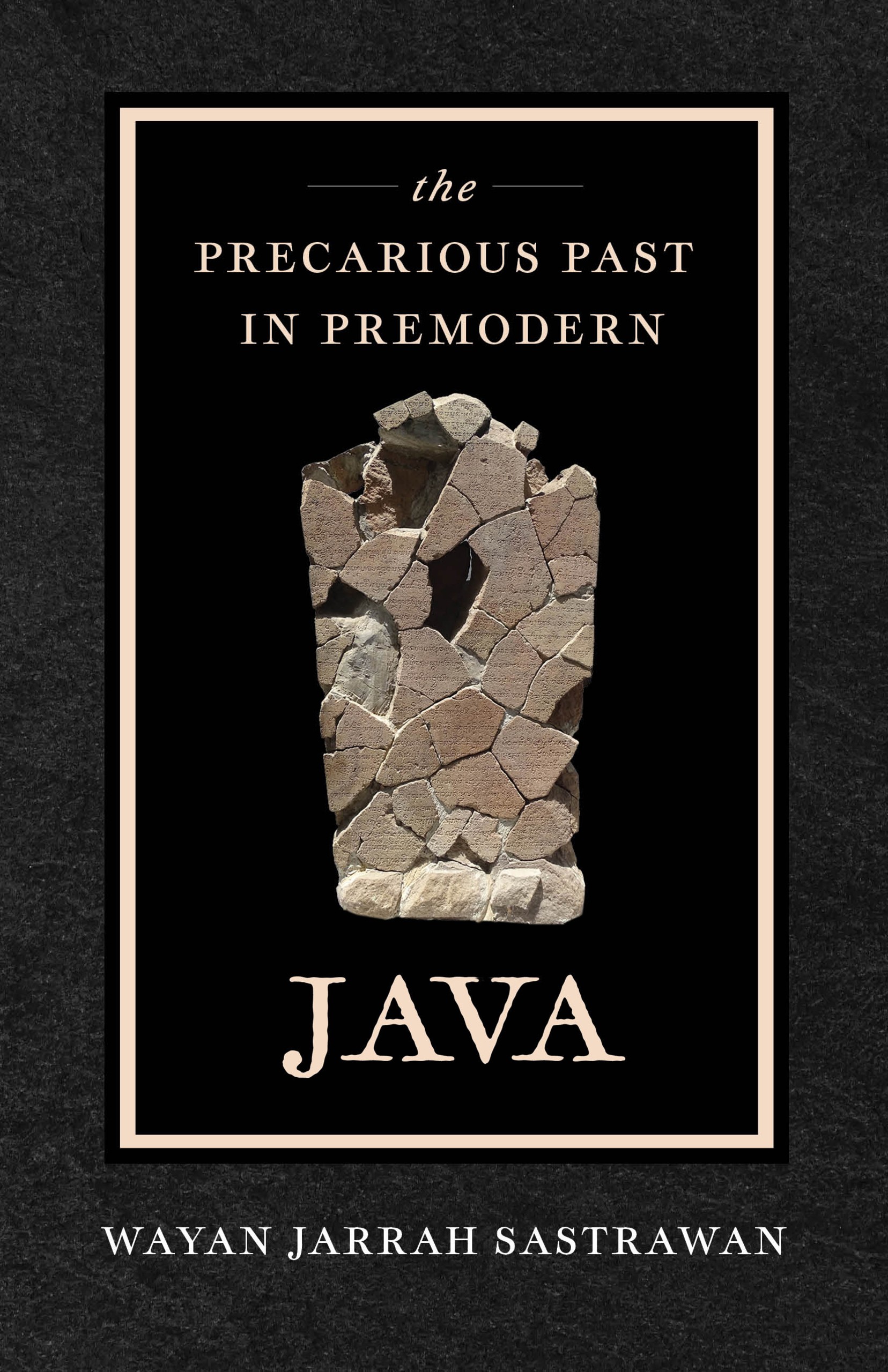
The practice of history in premodern Java was profoundly influenced by precarious conditions of textual production and preservation: fragile manuscripts perished in the tropical environment, archival records were scattered far afield, and historical memories faded over many generations. In this book, Wayan Jarrah Sastrawan examines how Javanese societies between the fifth and fifteenth centuries CE responded with distinctive strategies to record and transmit knowledge of the past. Drawing on sources in Javanese, Sanskrit, Malay, and related languages from the Indonesian archipelago, Sastrawan provides a detailed account of diverse forms of history-making in premodern Java, reconstructing a dynamic culture in which written and nonwritten modes of transmission coexisted and intersected. By situating these practices within broader discussions of global historiography, this book challenges modern assumptions about what counts as "history" and illuminates how societies have developed different ways of preserving and remembering the past.

About the Author

Wayan Jarrah Sastrawan is a historian and lecturer at the Australian National University.

Table of Contents

Contents

List of Illustrations and Tables

Acknowledgments

Conventions Used in the Book

Introduction

1. The Survival of Texts

2. Recording the Past

3. Counting the Years

4. The Heroic in History

5. How Traditions Vary

Conclusion

Glossary of Vernacular Terms Used in Premodern Java

Bibliography

Index

Reviews

"Wayan Jarrah Sastrawan has written a remarkable book, the implications of which reach far beyond the Javanese historical works that he subjects to critical scrutiny. He reminds us that the materiality and modality of texts, whether oral, mnemonic, or written, and their different rates of survival in often environmentally hostile climates are crucial factors in the formation of subsequent historical understanding. The evidentiary challenges that faced Southeast Asian chroniclers and epic poets who had to make sense of conflicting and patchy texts and traditions are little different from those facing all scholars wrestling with incomplete or contradictory sources."—Daniel Woolf, Professor of History, Queen’s University

"This book revolutionizes the study of how Javanese history was made. It provides new ways of understanding how the texts used for interpreting Java’s premodern history were put together; and more than this, it provides novel readings of those texts that substantially change interpretations of time, people, and place."—Adrian Vickers, author of A History of Modern Indonesia and Bali: A Paradise Created